The Fan's Guide to Cabo Verde Football
The Fan's Guide to Cabo Verde Football
The Cabo Verde national football team is Africa’s most compelling small-nation overachiever, representing the Atlantic island country of Cabo Verde in CAF and FIFA competition. Known as the Blue Sharks, the team has turned a population of roughly 600,000 into repeated Africa Cup of Nations impact, including a 2013 quarter-final debut and another quarter-final run at AFCON 2023. Governed by the Cape Verdean Football Federation, Cabo Verde competes in African qualifying, international friendlies, and FIFA World Cup qualification cycles, with Praia and the Estádio Nacional de Cabo Verde serving as important football reference points. For 2026 World Cup followers, the practical takeaway is clear: do not evaluate Cabo Verde by population size alone. Track diaspora call-ups, defensive structure, and AFCON-tested match management before making predictions or betting decisions.
Have you ever thought about why Cabo Verde keeps troubling larger football nations despite having one of the smallest talent pools in African international football? The answer is not luck; it is recruitment, tactical clarity, and a diaspora network stretching through Portugal, the Netherlands, France, and other European leagues. Football Compass covers the 2026 FIFA World Cup through match predictions, team tactics, player stats, and tournament coverage, and Cabo Verde is exactly the kind of team smart fans should study before the market fully adjusts.
Want the sharper view before the next fixture cycle?
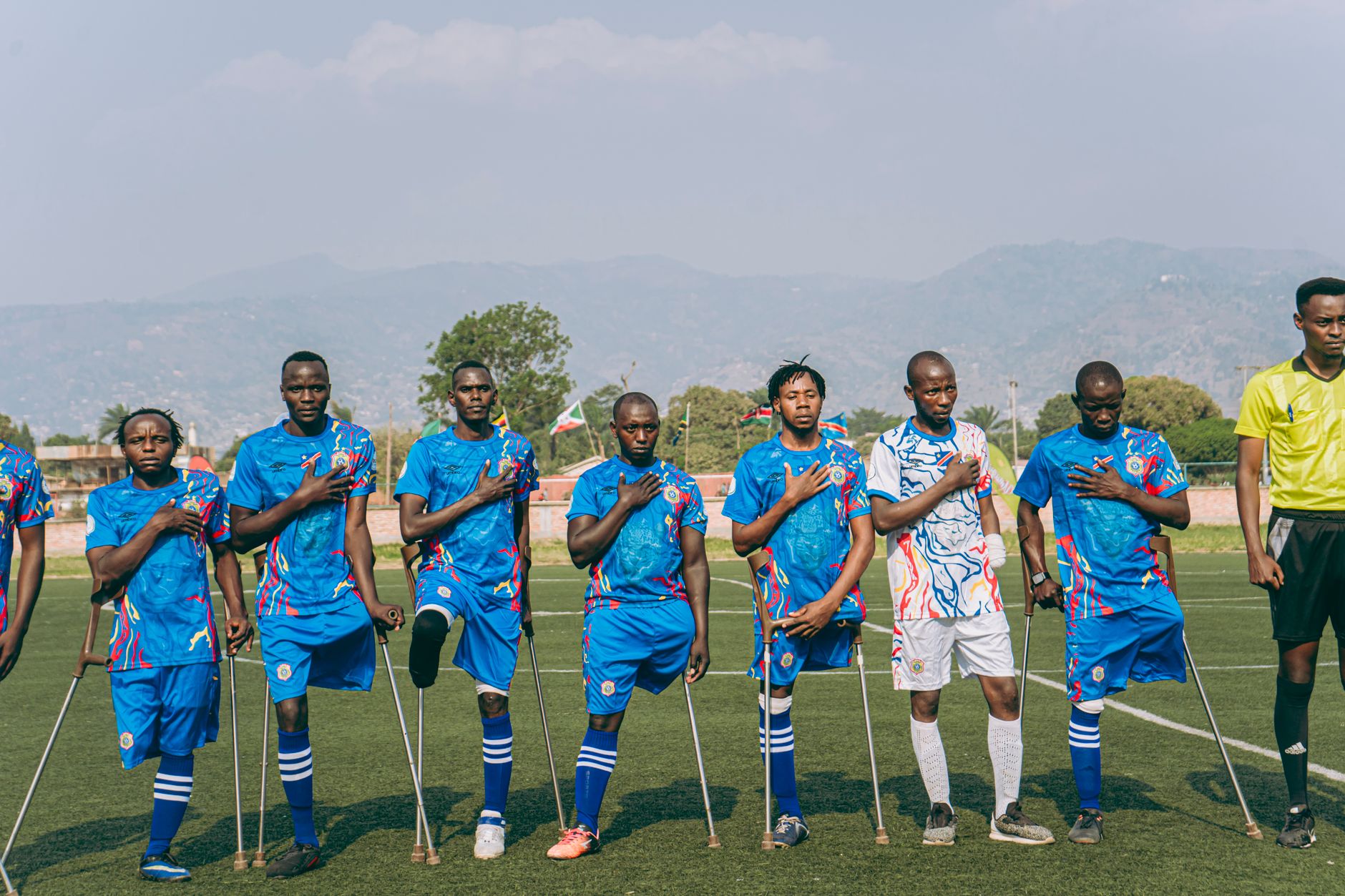
Photo by Chris wade NTEZICIMPA on Pexels
If you follow World Cup qualifying: why watch Cabo Verde first?
Cabo Verde matters in World Cup qualifying because its results often outperform basic population, budget, and ranking assumptions. The Blue Sharks combine European-based players, compact defending, and tournament experience from AFCON 2013 and AFCON 2023, making them dangerous in low-margin qualification groups.
The first thing to understand is that Cabo Verde is rarely built to dominate possession for 90 minutes against elite opposition. Instead, the team usually becomes interesting when the game state is tight: 0-0 after 30 minutes, 1-1 after an hour, or protecting a narrow lead away from home. That is where international football becomes less about star power and more about spacing, patience, and set-piece discipline. According to the team overview maintained by Wikipedia, Cabo Verde has built its modern identity through repeated AFCON qualification rather than one isolated golden generation.
For fans and bettors, the key is to separate name recognition from match function. A Cabo Verde player based at a mid-table European club may have more tactical schooling than a better-known domestic star from another nation. Before you make a prediction, check three things: whether the strongest diaspora players were called up, whether the match is being played on natural grass or a slower surface, and whether Cabo Verde needs a win or can play for a draw. To go deeper on qualifying context, see our [Internal Link: 2026 World Cup qualifying group analysis].
If you study team identity: do not underrate the Blue Sharks
Cabo Verde’s identity is built on discipline, transitions, and diaspora depth rather than constant attacking pressure. The Blue Sharks are strongest when they compress central spaces, force wide attacks, and use quick outlets to turn defensive recoveries into direct chances.
Why does that work? Because international windows are short, and national teams do not get the training time that clubs enjoy. A clear system usually beats a complicated one. Cabo Verde’s best performances often look simple from the outside: two compact lines, careful full-back positioning, and forwards who understand when to press and when to conserve energy. But have you ever thought about why simple tactics are so effective in AFCON or FIFA qualifying? The reason is chemistry under time pressure. A team that knows exactly where the next pass should go can survive against opponents with greater individual quality.
A useful operational insight for 2026 analysis is to watch the first 15 minutes after halftime. Smaller nations with good coaching often adjust earlier than the betting market expects, especially after seeing an opponent’s build-up pattern in the first half. Cabo Verde’s matches can therefore shift after minute 46 without a substitution appearing in the box score. Track pressing height, second-ball wins, and whether the central midfield line steps five meters higher. These details often reveal intent before the scoreboard does.

Photo by Franco Monsalvo on Pexels
If you compare AFCON form: do the results tell the full story?
AFCON results show Cabo Verde has become a credible African tournament side, but results alone do not explain the progress. The 2013 quarter-final run announced the team globally, while AFCON 2023 confirmed that the Blue Sharks could repeat success across generations.
The 2013 Africa Cup of Nations was the breakthrough because Cabo Verde did not merely participate; it advanced from the group and reached the quarter-finals. That changed how analysts viewed the country. The 2023 edition, staged in early 2024, was even more important in one way: it proved the earlier success was not a one-off. CAF’s official competition ecosystem, described by the Confederation of African Football, places enormous pressure on squad management because travel, climate, and short recovery windows can decide knockout matches as much as technical quality.
For Football Compass readers, here is the less obvious lesson: Cabo Verde is often more valuable as a “match state” team than a simple win-loss team. In other words, the Blue Sharks may be worth attention in markets such as first-half draw, under goals, or double chance when the opponent is favored but not built to break compact blocks. This is not betting advice to chase blindly; it is a reminder to ask why the matchup behaves a certain way. For related tactical reads, check our [Internal Link: defensive blocks and underdog betting strategy].
See the tactical angles before the odds move.
If you analyze players: how should you scout Cabo Verde?
Scout Cabo Verde by role fit, not fame. Prioritize where players compete weekly, how they handle transitions, whether they defend set pieces, and how often they start for clubs in Portugal, France, the Netherlands, or comparable leagues.
A practical scouting checklist helps you avoid lazy assumptions. First, identify the goalkeeper’s passing range because Cabo Verde may bypass pressure rather than build slowly. Second, review the center-backs’ recovery speed, especially if the opponent uses fast wingers. Third, examine midfield profiles: one ball-winner, one connector, and one runner can matter more than a single creative star. Fourth, check whether wide forwards are natural touchline players or inverted attackers, because that changes crossing volume and shot locations.
One information-gain detail that many previews miss: Cabo Verde’s player pool can change meaningfully between two international windows because dual-national recruitment is not static. A winger who was unavailable in March may become central by September if paperwork, fitness, or club status changes. FIFA’s eligibility framework notes that players may represent a national association under specific nationality and sporting criteria; FIFA states that eligibility rules are designed to determine “the conditions under which players are eligible to play for representative teams,” according to FIFA. That means squad lists are not admin trivia; they are predictive data.
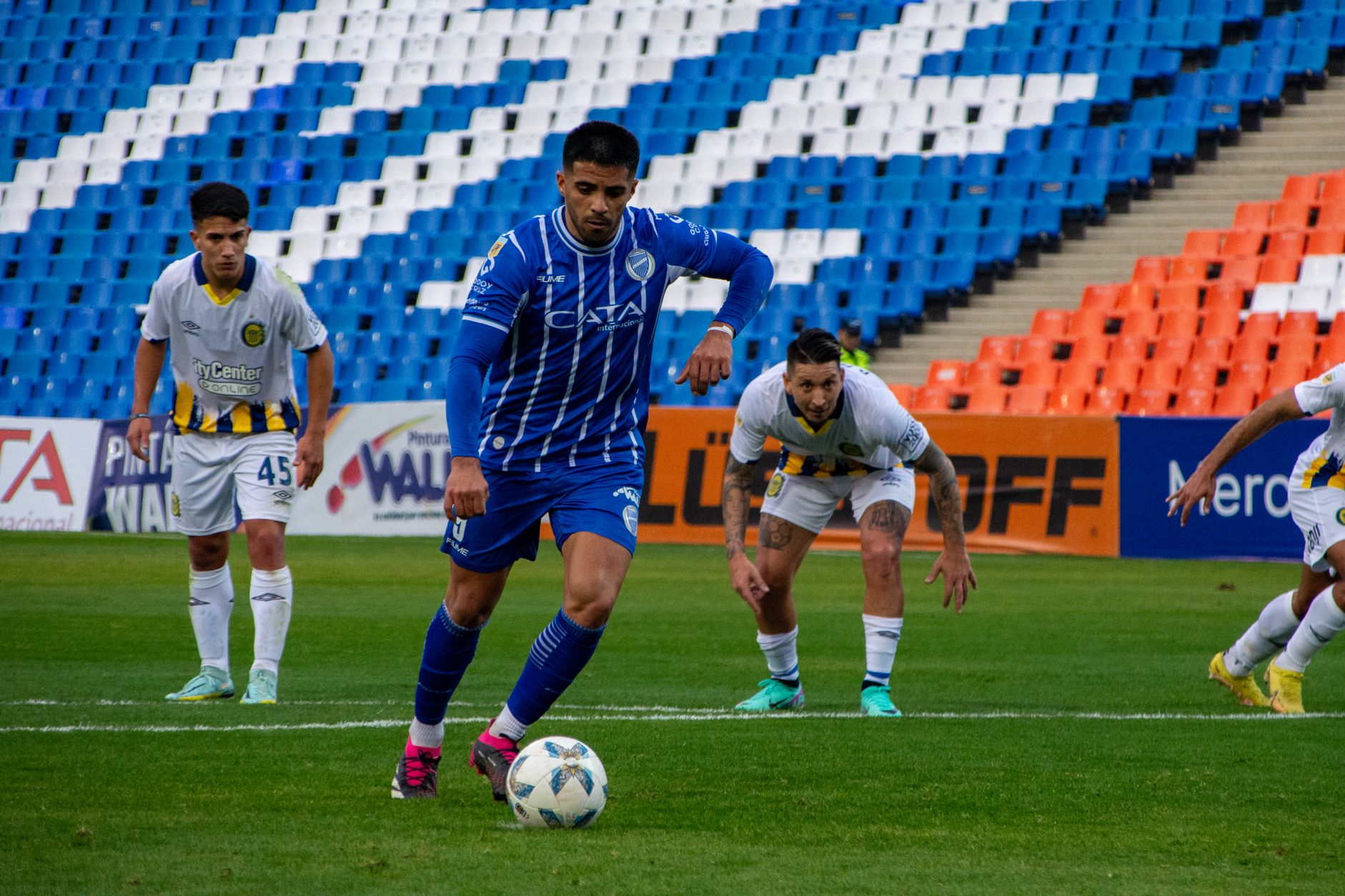
Photo by Franco Monsalvo on Pexels
If you are betting on Cabo Verde: do B with discipline
Betting on Cabo Verde requires discipline because the market can swing between underrating a small nation and overreacting after a high-profile result. Build your view from squad news, travel context, tactical matchup, and price movement rather than national reputation.
Because Football Compass operates in the gambling content space, the responsible angle matters. Have you ever thought about why a “good story” is dangerous in betting? Cabo Verde is easy to romanticize: small island nation, strong AFCON runs, motivated diaspora, and a clear underdog identity. But a good narrative is not automatically a good price. If the market already adjusts after a strong AFCON result, the value may disappear even if your football opinion is correct.
Use this four-step framework before any Cabo Verde pick:
- Confirm the final squad, not the provisional squad.
- Compare rest days and travel distance for both teams.
- Check whether Cabo Verde needs three points or can accept one.
- Price the game by probability, then compare with the bookmaker odds.
A contrarian but useful conclusion: Cabo Verde may be a better live-betting team than pre-match team in some fixtures. Why? Their defensive structure becomes easier to evaluate after 10 to 15 minutes. If the opponent is forced wide and taking low-quality shots, the underdog case strengthens. If Cabo Verde’s midfield is stretched early, the pre-match underdog appeal may have been misleading. For more, read our [Internal Link: live betting indicators for international football].
Get started with a more structured match-reading routine.
Common pitfalls to avoid
The biggest mistake is treating Cabo Verde as either a miracle team or a minor team with no ceiling. Both views are too emotional. The sharper read is that the Cabo Verde national football team is a well-organized, recruitment-smart side whose performance depends heavily on player availability and match context.
Avoid these common errors when evaluating the Blue Sharks. Do not rely only on FIFA ranking because rankings can lag behind current squad quality. Do not assume every European-based player is automatically available, fit, or tactically suited. Do not overrate friendly results without checking substitutions and opponent motivation; ESPN’s team pages, including ESPN Soccer, are useful for score tracking, but the box score is only the first layer. Finally, do not ignore set pieces. In tight CAF qualifiers, one corner, one second ball, or one defensive lapse can define an entire campaign.
The deeper lesson is that Cabo Verde forces analysts to respect uncertainty. A strong preview should include what would change your mind. For example, if two starting center-backs miss the match, the under-goals thesis weakens. If the first-choice holding midfielder returns, the draw probability may rise. This habit keeps you from defending an outdated prediction simply because it sounded smart the day before.

Photo by Pavel Danilyuk on Pexels
The 30-day check-in
A 30-day check-in gives you a cleaner read on Cabo Verde than one match reaction. Review squad changes, club minutes, injuries, tactical trends, betting market movement, and upcoming venues before updating your 2026 World Cup or AFCON view.
Here is a simple routine that works for fans, analysts, and responsible bettors. On day one, save the latest Cabo Verde squad and note each player’s club, league, and recent minutes. After two weeks, check whether key players are starting for their clubs or sitting on the bench. After three weeks, compare betting movement across early markets if odds are available. By day 30, update your view using evidence rather than memory. This process is especially useful for Cabo Verde because its strength can rise or fall quickly depending on diaspora availability.
Your 30-day checklist should include:
- Latest Cape Verdean Football Federation squad updates
- Club minutes for likely starters
- AFCON and World Cup qualifying fixture congestion
- Injury reports and suspension risks
- Tactical fit against the next opponent
- Market price compared with your estimated probability
The final recommendation is simple: treat Cabo Verde as a serious football project, not a novelty. The Blue Sharks have already shown enough at AFCON 2013 and AFCON 2023 to deserve detailed analysis before every major fixture. If you want a smarter 2026 lens, keep watching the squad list first, the odds second, and the storylines last. For broader tournament coverage, visit our [Internal Link: 2026 FIFA World Cup predictions hub].
Follow Football Compass for daily team insights and sharper tournament context.
Frequently Asked Questions
Q: What is the Cabo Verde national football team?
A: The Cabo Verde national football team is the men’s national team representing Cabo Verde in international football. It is governed by the Cape Verdean Football Federation and competes in CAF and FIFA competitions. The team is nicknamed the Blue Sharks and is known for strong AFCON performances despite Cabo Verde’s small population.
Q: How did Cabo Verde become competitive in African football?
A: Cabo Verde became competitive through diaspora recruitment, tactical discipline, and consistent tournament experience. Many players have developed in European football systems, especially in Portugal and other leagues with Cape Verdean communities. The 2013 AFCON quarter-final run helped establish credibility, while AFCON 2023 showed the progress was sustainable.
Q: Is Cabo Verde good enough for the 2026 FIFA World Cup?
A: Cabo Verde is a credible 2026 World Cup qualifying contender but not a guaranteed qualifier. The team’s chances depend on squad availability, group difficulty, away performances, and results against direct rivals. Fans should track the final squad list and qualifying table before making strong predictions.
Q: What is the difference between Cabo Verde and Cape Verde in football?
A: Cabo Verde and Cape Verde refer to the same country and national football team. “Cabo Verde” is the official English-language country name used internationally, while “Cape Verde” remains common in older media and search results. In football databases, you may see both terms used depending on the source.
Q: How should I analyze Cabo Verde before betting?
A: Analyze Cabo Verde by checking squad news, player club minutes, tactical matchup, travel context, and market price. Do not bet only because the team has a strong underdog story or recent AFCON success. A disciplined approach compares your estimated probability with available odds before deciding whether value exists.
Q: What problems can affect Cabo Verde’s performance?
A: Cabo Verde can be affected by injuries, unavailable diaspora players, travel demands, and limited preparation time. Because the player pool is smaller than that of major African powers, one or two absences can change the tactical balance. Always check confirmed lineups and late squad updates before judging a match.